Pulse: the facade gets its finish
The parking terrain is fully cleaned, and now the facade has had a thorough cleaning too. Pulse is slowly getting back the look it deserves.
Aug 12, 2026Written from the field
I'm Raoul Böhne. For the past eight years I've been buying underperforming office buildings across the Netherlands, fixing what's actually broken, and selling stabilized assets to buyers who want the boring, predictable income I built. I run every deal myself — I underwrite it, I walk the site, I negotiate the leases, and I'm the one who answers when a tenant has a problem. No investment committee, no property manager standing between me and the building. This blog is where I write down what actually happened on each deal: the numbers, the mistakes, the parts that worked. I do this through my own investment vehicle, VVS Group — but everything here is my own thinking, in my own words.
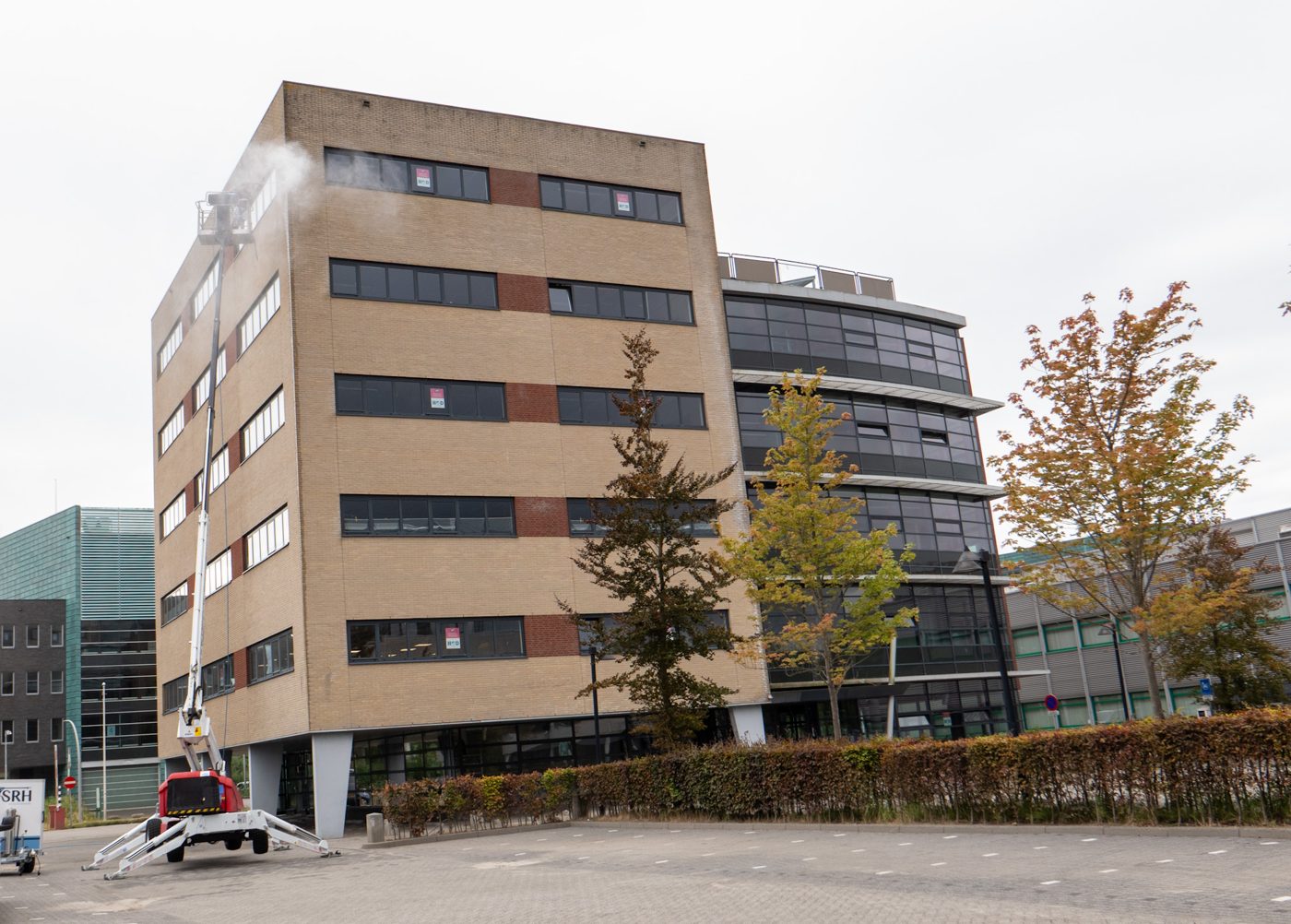
The parking terrain is fully cleaned, and now the facade has had a thorough cleaning too. Pulse is slowly getting back the look it deserves.
Aug 12, 2026The lighting is installed at Pulse. Next up: the ventilation grilles go in, the next step in closing out the fit-out.
Aug 10, 2026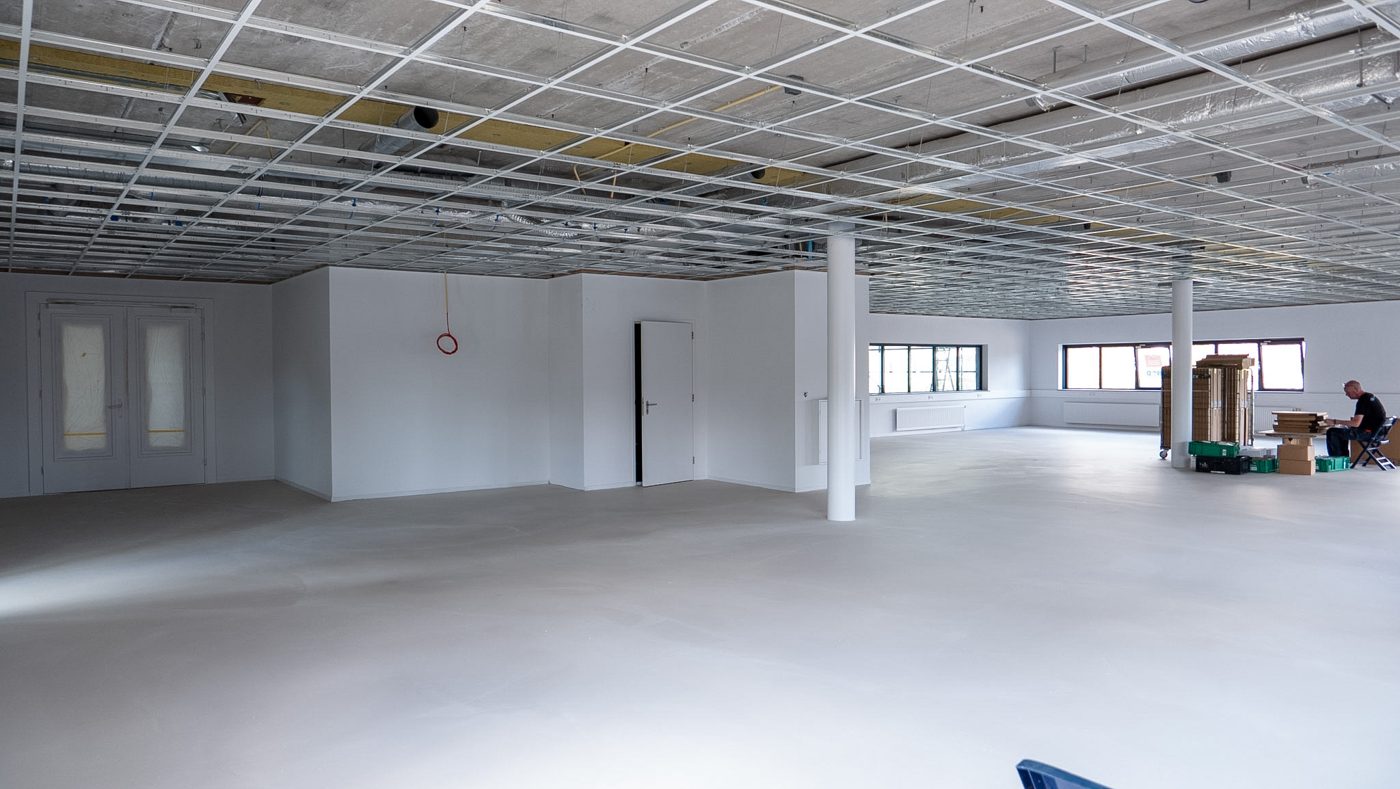
The ceiling grid is placed and the floor is leveled on Pulse's first floor. Lighting preparations are underway, with ventilation grilles next in line.
Aug 7, 2026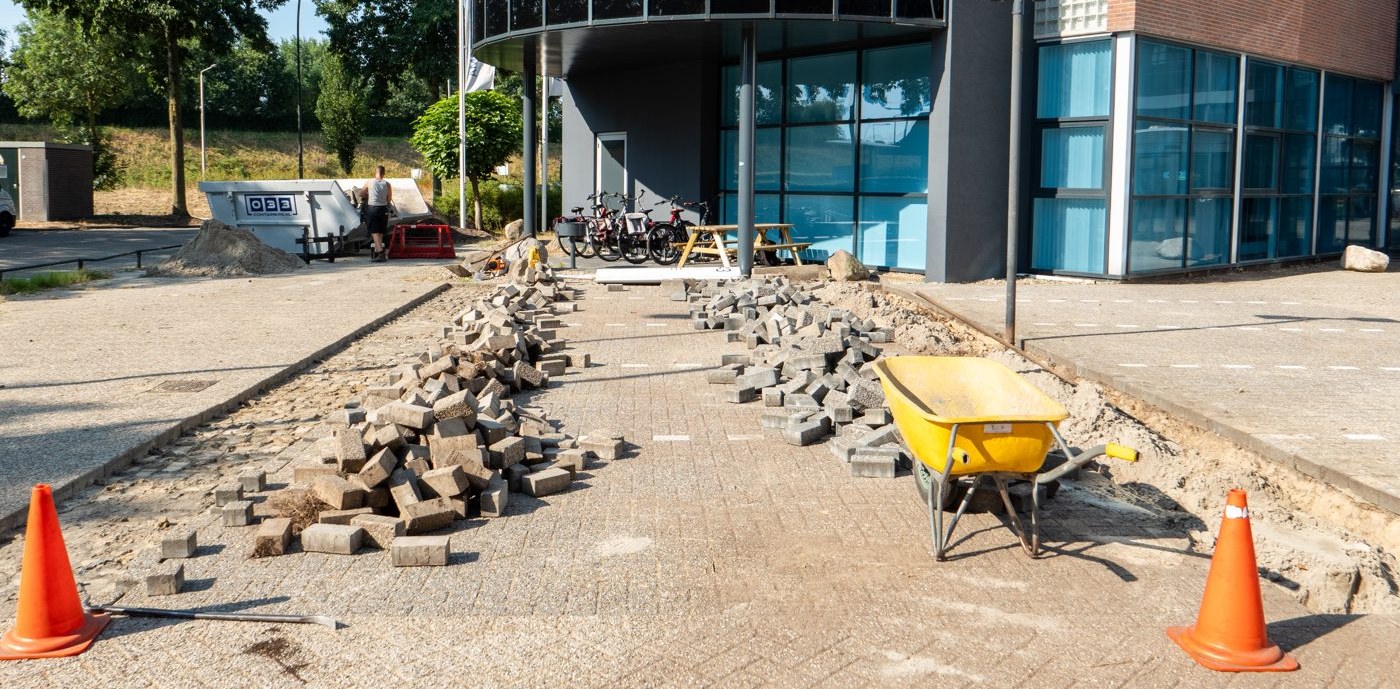
Luna's exterior is getting a complete upgrade: old greenery out, new modern planting in, the terrain reworked for extra parking, and a new entrance with fresh paving.
Aug 6, 2026The ceiling contractor has started placing the grid for the system ceilings. Lighting and motion sensors go in next, then the ventilation grilles, before the ceiling is closed up.
Aug 5, 2026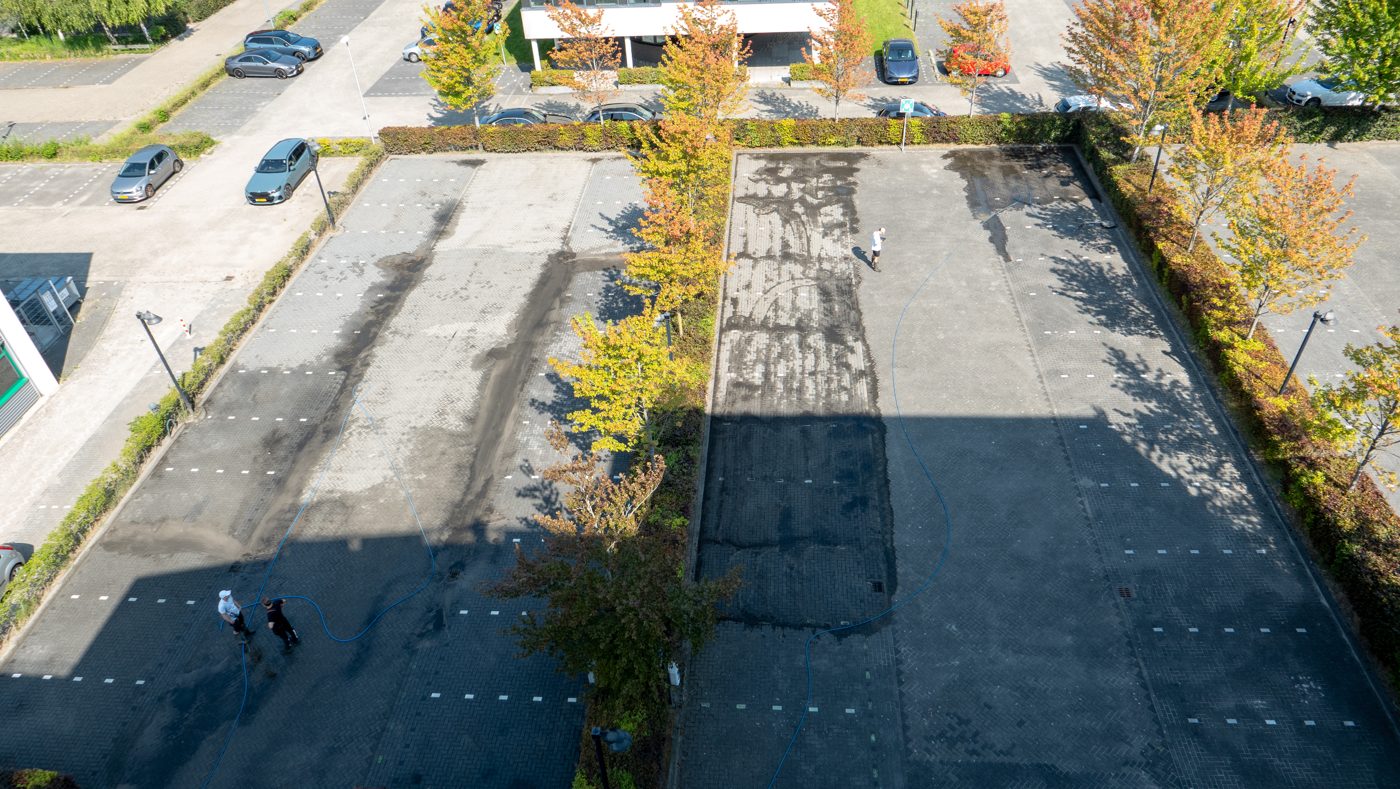
Tile work is now complete up to the fourth floor. Painting continues throughout the building. System ceilings are being installed. Terrain cleaning has begun.
Aug 4, 2026Tile work done on the 2nd and 3rd floor, painting in full swing, a new fire alarm system going in. Pulse keeps moving, even during the construction industry's summer break.
Jul 27, 2026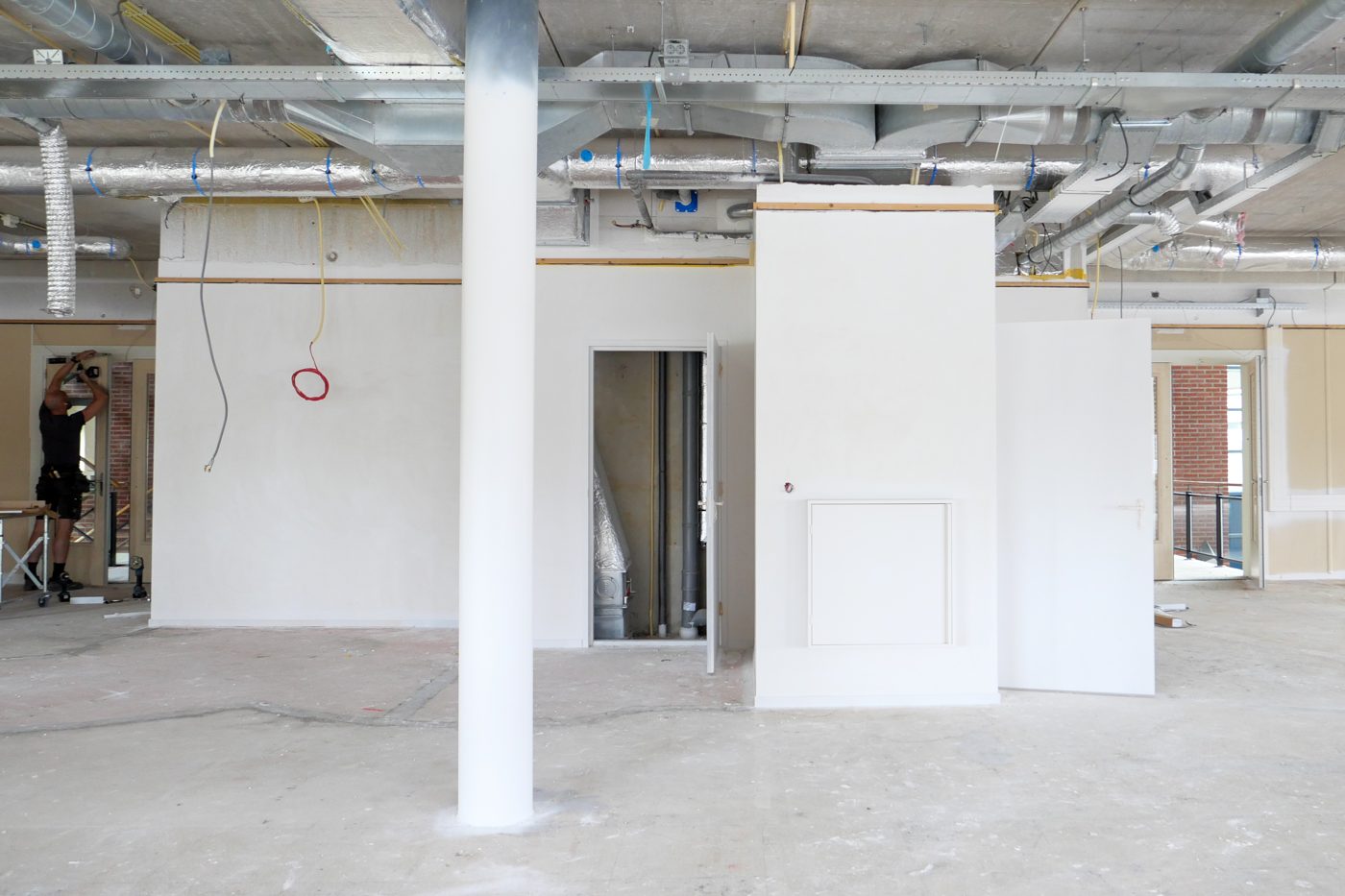
Tile work done on two floors, painting underway, electrical work continuing, entrance doors adjusted for the new multi-tenant layout, plastering finished.
Jul 20, 2026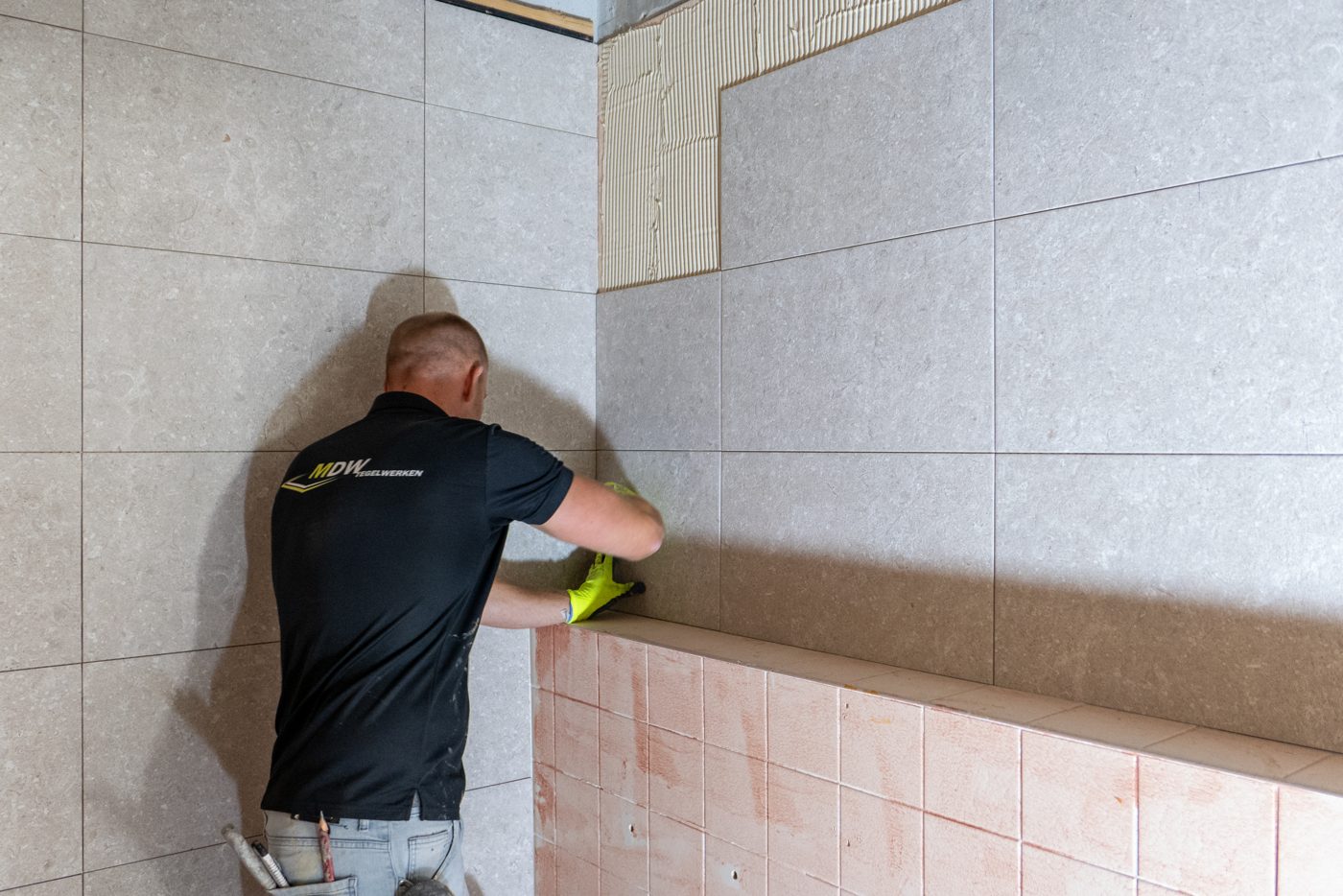
MDW Tegelwerken has started retiling the toilet groups at Pulse. New finish, modern look, the kind of detail that shapes how a building actually feels.
Jul 5, 2026Demolition at Pulse is complete. Plastering is underway and the electrical installations, lighting, and fire alarm system are being renewed as the building moves toward its next stage.
Jun 22, 2026With a renewed entrance, turn-key office units, and a high-quality finish, Luna is ready for its next tenant. The first lease landed before the leasing campaign even started.
Jun 18, 2026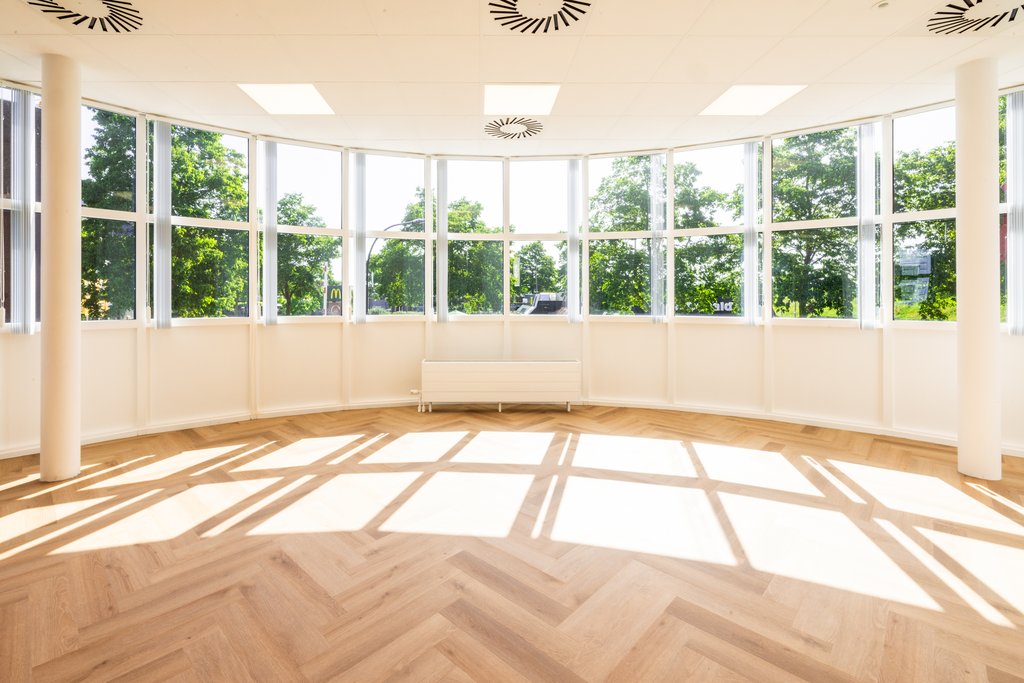
Databird has signed a long-term lease in Luna for around 345 sqm of office space and 85 sqm of commercial space, the first tenant to commit to the building's new direction.
Jun 16, 2026Demolition work has started at Pulse in Almere, the first physical step in turning 4,250 sqm of dated office space into a modern, tenant-ready building.
Jun 7, 2026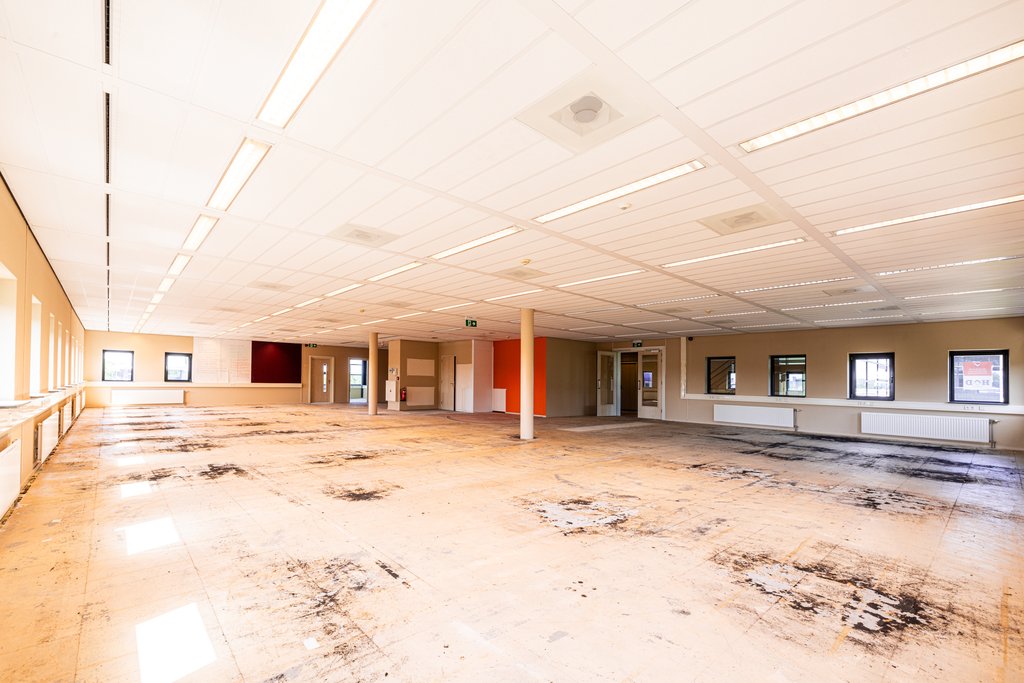
Before the renovation starts, this is the baseline. A look at Pulse as it stands now, dated interiors, worn floors, and the raw material for the repositioning ahead.
Jun 3, 2026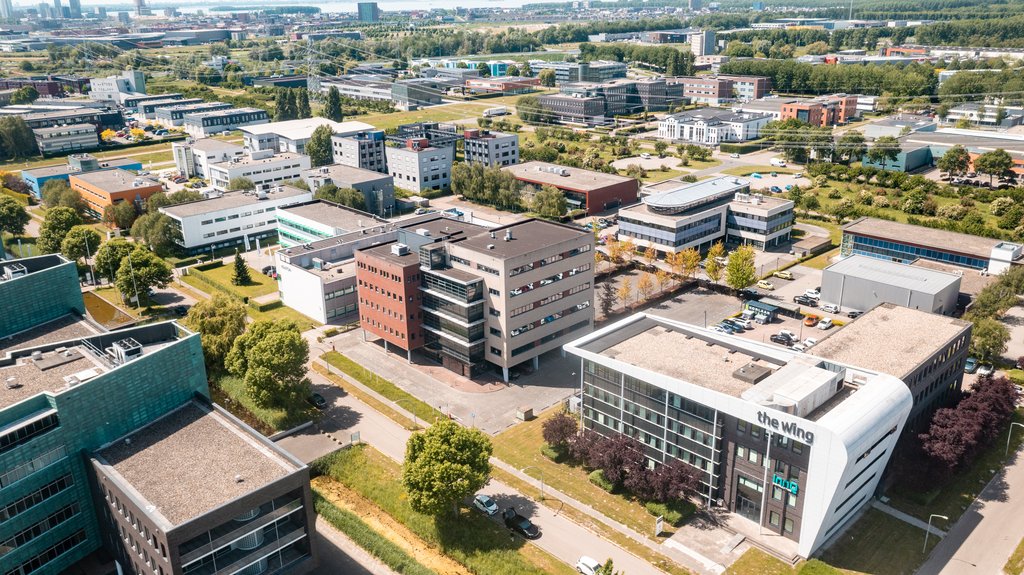
I have acquired Pulse, a 4,250 sqm office building at Transistorstraat 10-20 in Almere, six floors with 109 parking spaces directly off the A6. Here is the plan for the redevelopment and why it fits the same value-add strategy behind every deal here.
Jun 1, 2026Facade renovation at Luna is progressing steadily. The rear facade is now being primed and painted, restoring the exterior while pushing durability further than a straight repaint would.
May 28, 2026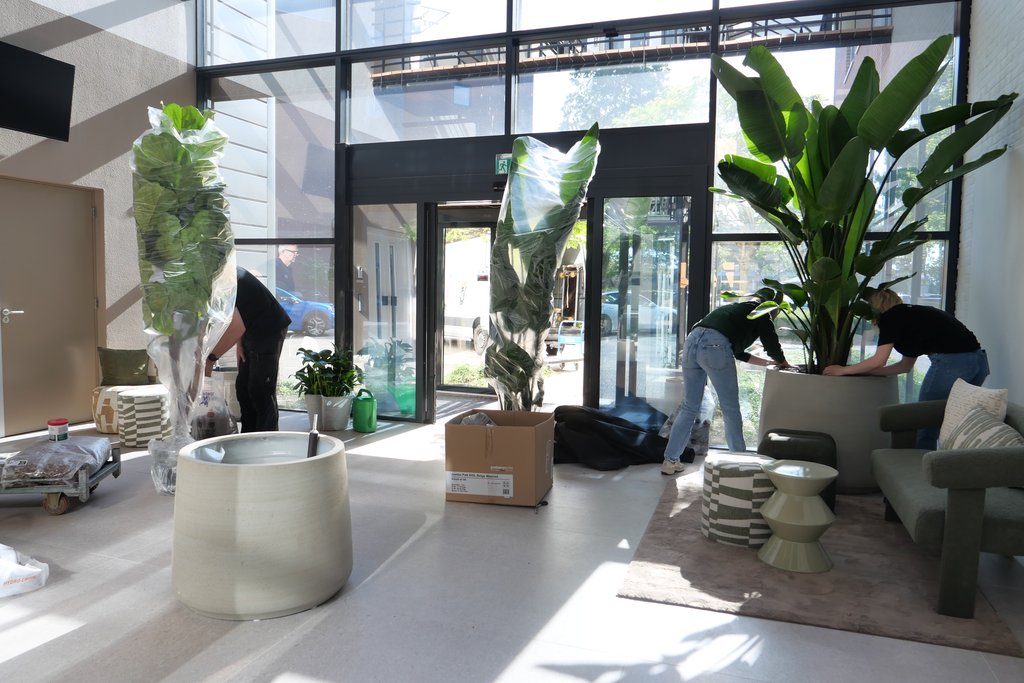
With the tiling finished, furniture and planting have arrived at Luna's entrance. Seating, side tables, and large-format greenery from Green Stories turn a finished floor into a space people actually want to sit in.
May 21, 2026The entrance floor at Luna is finished. Large-format tile now covers the full ground floor around the staircase and lift, ready to be seen rather than imagined.
May 14, 2026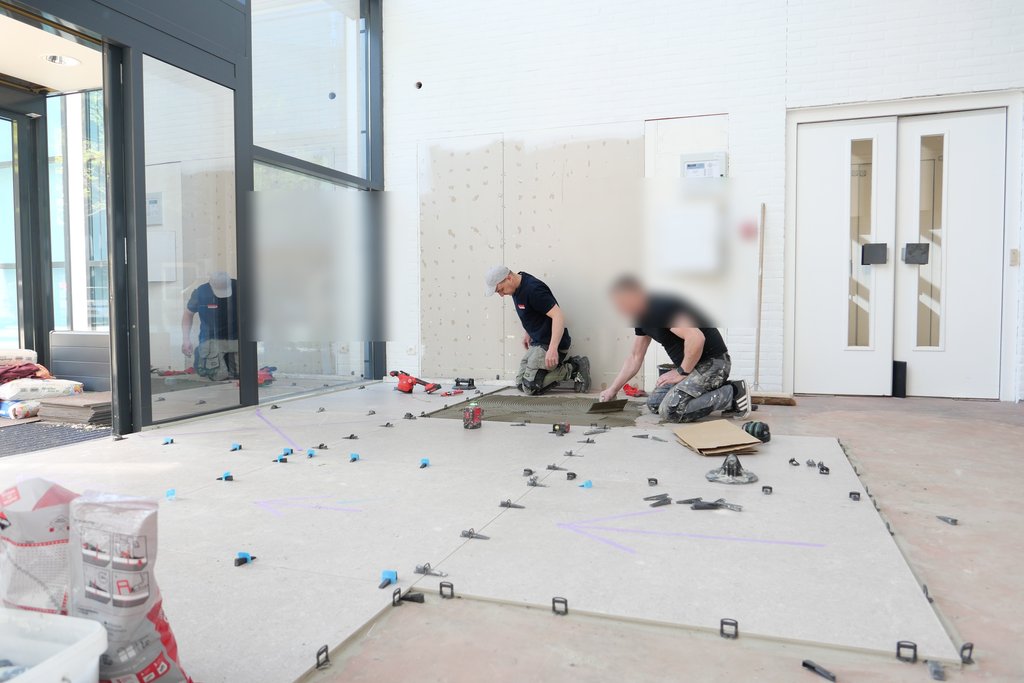
The entrance floor at Luna is now being tiled, clean lines, large-format tiles, high-end finish. This is where the first impression gets made, and it has to be right.
Apr 30, 2026The parking area at Luna has been fully cleaned — the first phase of a broader upgrade that adds a barrier and intercom system for real control over who parks on site.
Apr 28, 2026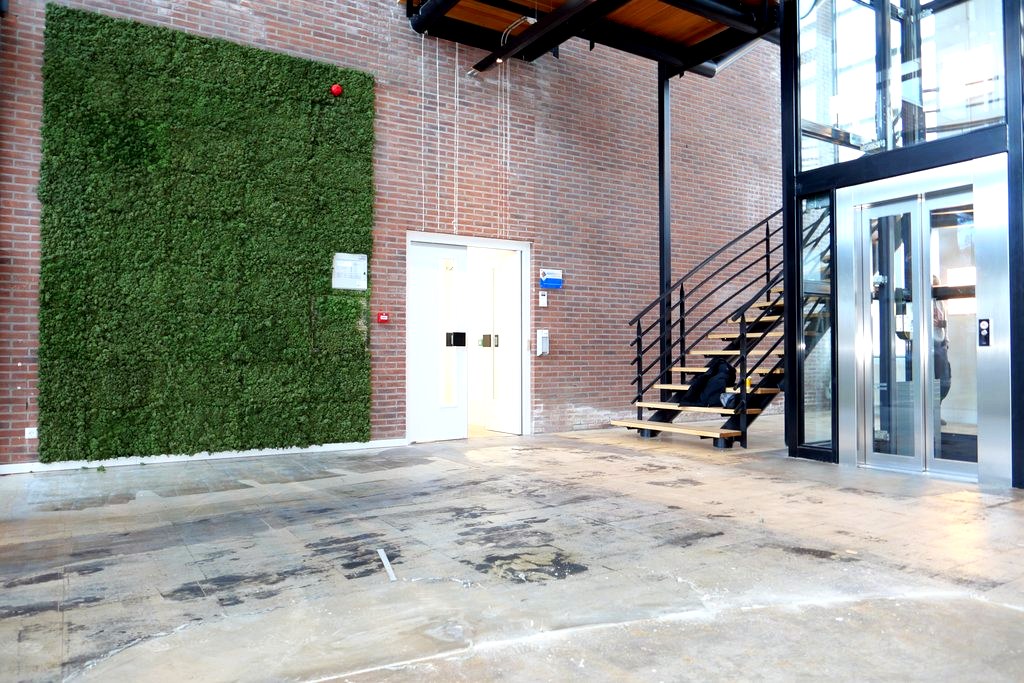
With the first unit move-in ready, work has shifted to the building's exterior — entrance renovation and facade plaster repair. First impressions are underwritten too, not just square meters.
Apr 20, 2026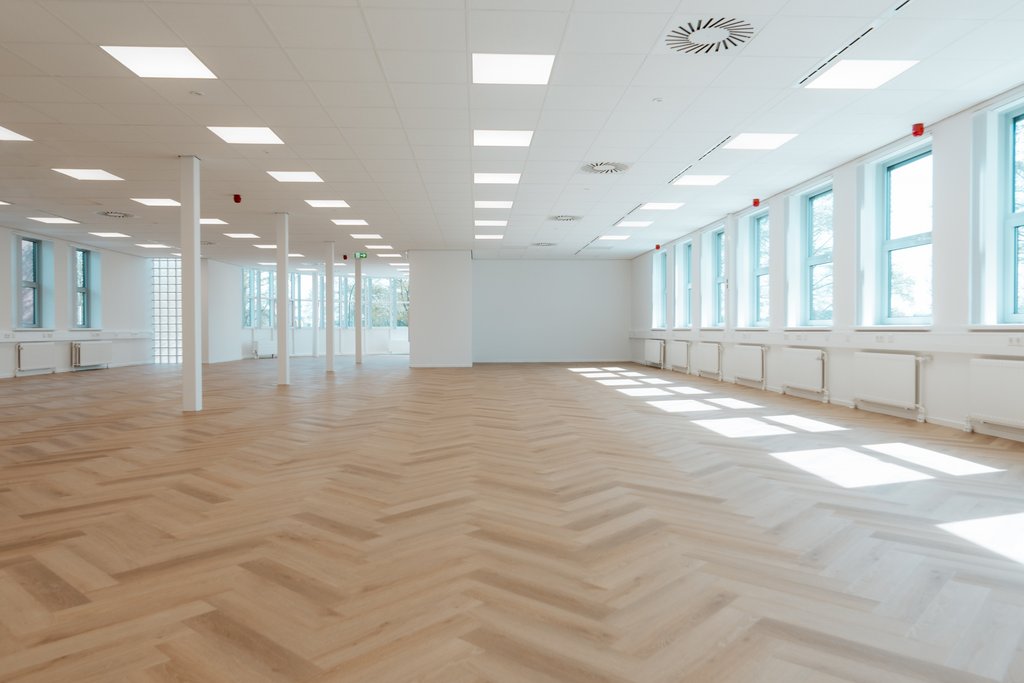
The first unit at Luna has cleared its final finishing stage — floors installed, space cleaned, ready for occupancy. Next on the sequence: the entrance, the space that sets every tenant's first impression.
Apr 8, 2026Five days after the subfloor was leveled, the first unit at Luna has its finished floor installed. Herringbone parquet, laid unit by unit — sequencing that matters as much as the material specification itself.
Apr 1, 2026One day after closing on Luna, the first work on site isn't glamorous — old carpet out, floors leveled, base laid. Here's why that unglamorous first step matters more than anything that comes after it.
Mar 27, 2026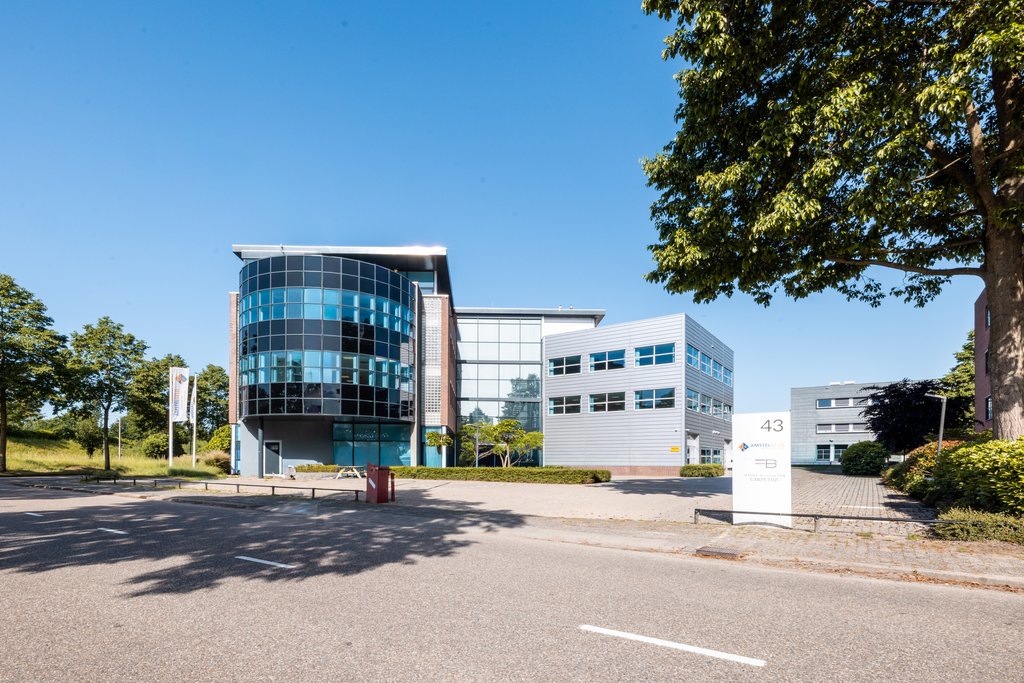
I have acquired Luna, a 2,175 sqm office building on the Calveen business park in Amersfoort — let to two tenants, with substantial vacancy. Here is why that vacancy is the opportunity, not the risk, and the repositioning plan for the asset.
Mar 26, 2026
Tenant retention is the single highest-leverage value creation lever on a value-add office deal. Here is the math on turnover costs, renewal incentives, and the early renewal conversation that protects your exit.
Nov 18, 2024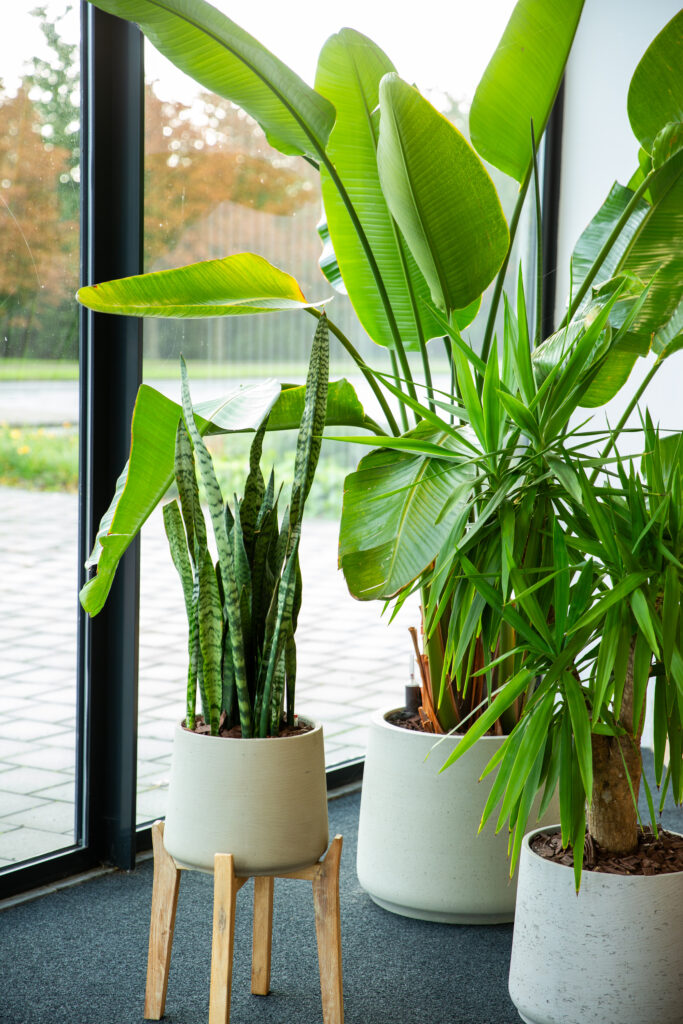
The operators who own their portfolios, not delegate them, hold 90%+ renewal rates and never need incentives. Here is how I keep anchors in place through direct relationships, proactive communication, and hands-on management.
Nov 11, 2024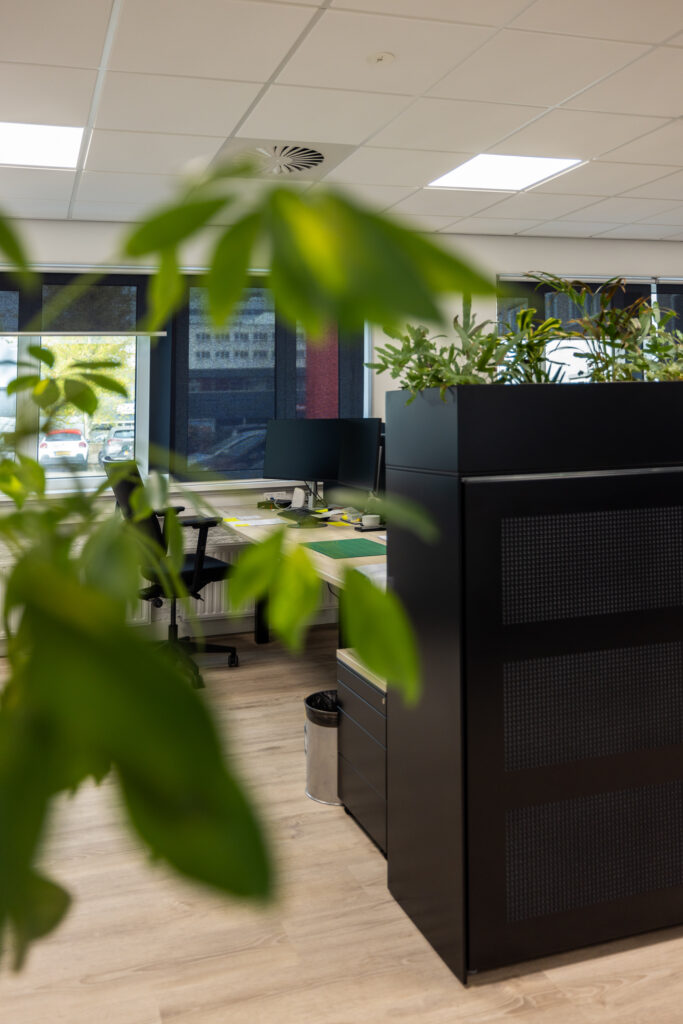
When a broker calls for a viewing, I show up. Not the property manager. Not a licensed agent. The owner himself. That signals commitment in a way no glossy PDF ever will—and it gives me the information a broker can't access.
Nov 1, 2024
BREEAM-NL In-Use is the default sustainability framework for Dutch office exits. Here are the actual costs—registration, assessor, gap analysis, upgrade CapEx—and why institutional buyers expect it.
Oct 27, 2024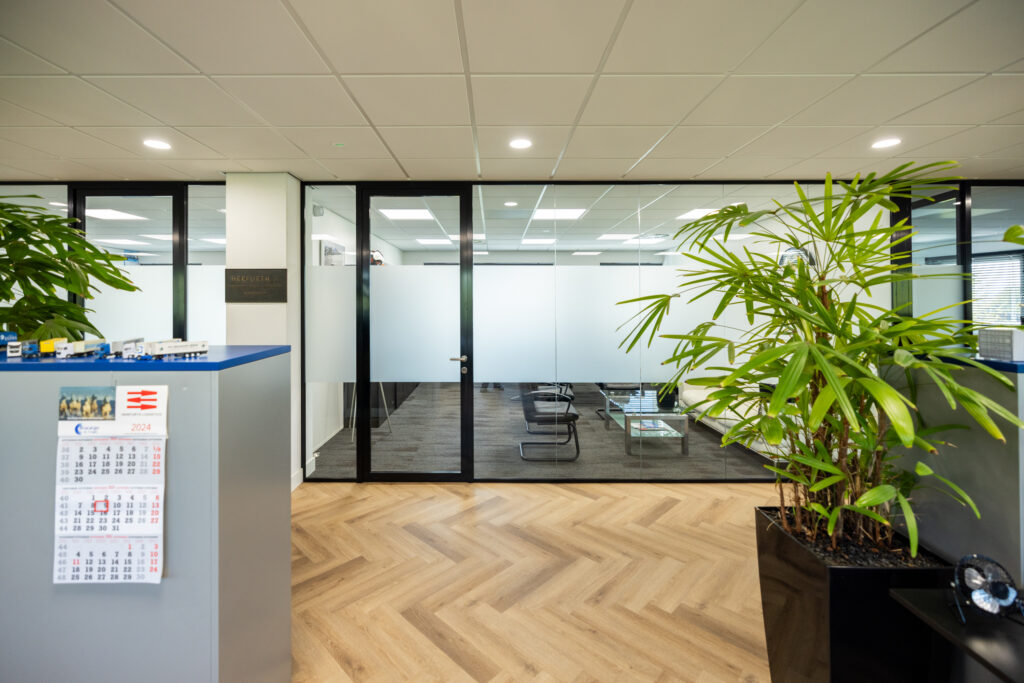
WELL certification for office buildings has moved from a nice-to-have to a line item in corporate RFPs. Here is what WELL v2 actually demands, what the retrofit really costs on a European office, and when the rent premium justifies the program.
Oct 27, 2024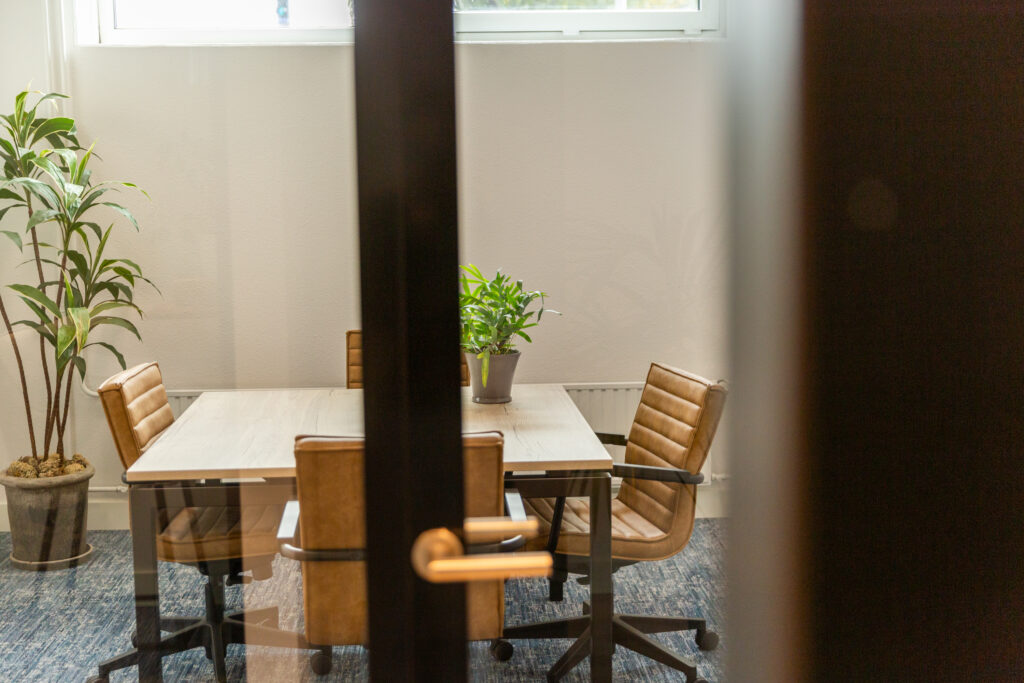
Most tenant facility upgrades are vanity projects. I only invest in office tenant facilities upgrades where the rent uplift and vacancy reduction measurably exceed the CapEx cost. Here are the ones that actually work.
Oct 18, 2024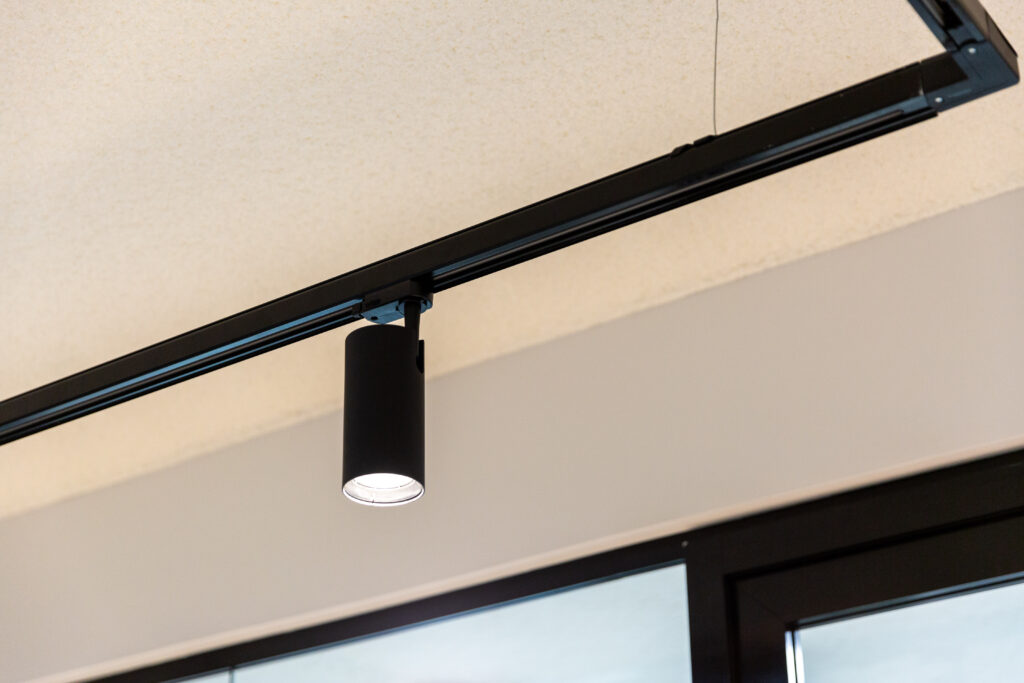
Since 2023, any office I buy in the Netherlands must reach EPC label C minimum. But label C is a floor, not a ceiling. I push toward A and the green premium that comes with it—here are the upgrades that work, the math that matters, and what I actually collect on exit.
Oct 15, 2024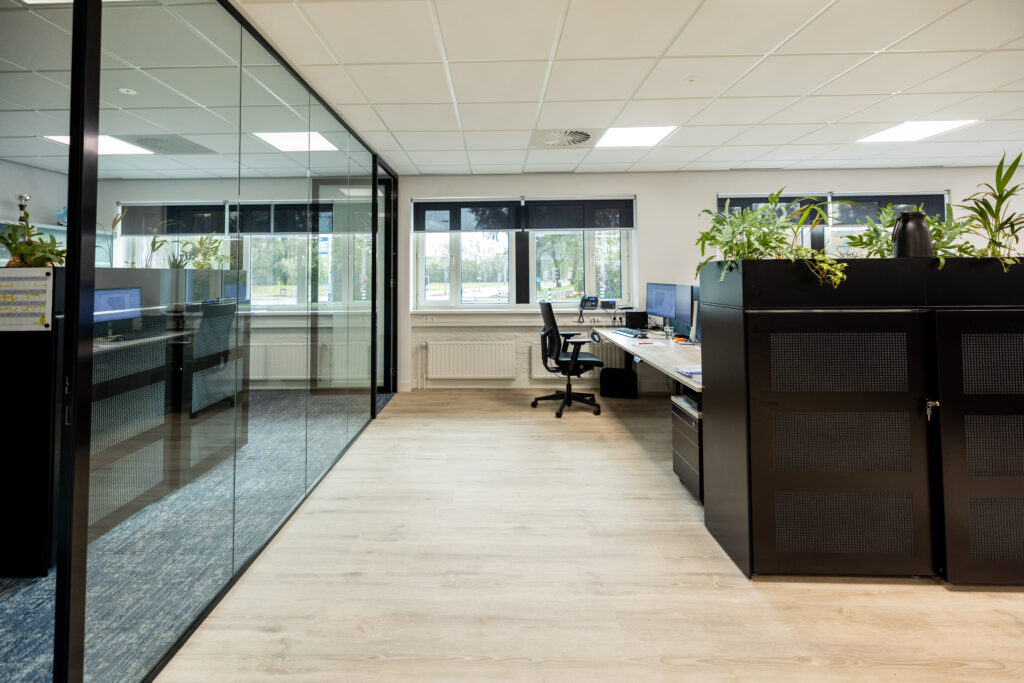
Most value-add CapEx budgets get spent in the wrong order. Here is how I allocate targeted investments in office buildings so every euro shows up in NOI, rent tone and exit cap — not just in the lobby photo.
Oct 13, 2024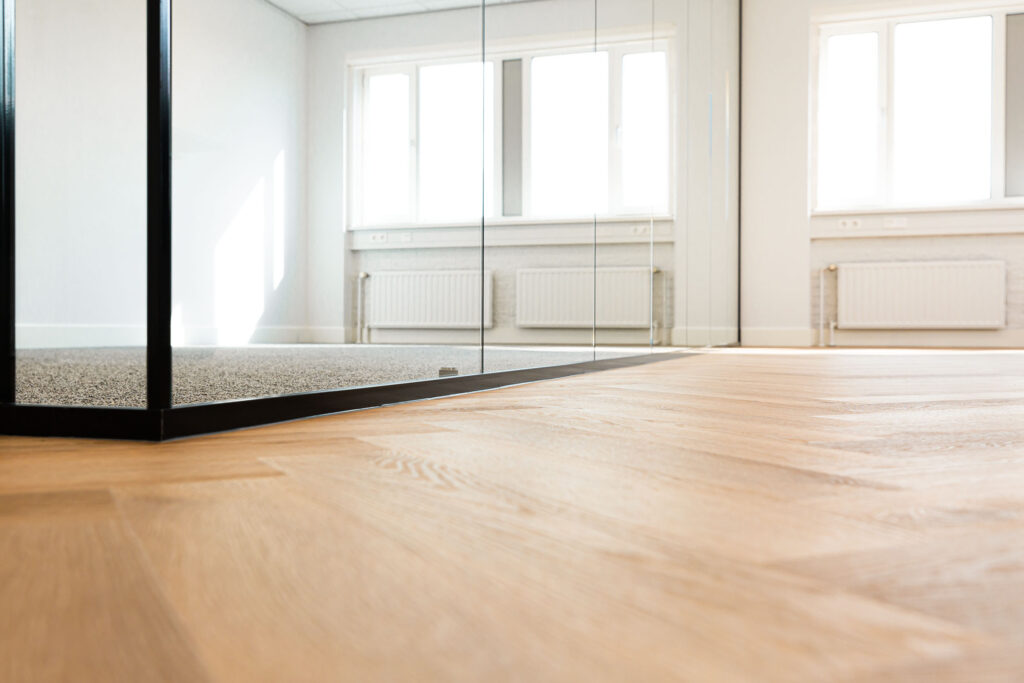
The broker team you assemble determines how fast you reposition a tired office building. Here is exactly how I vet, structure, and manage my leasing and transaction broker relationships—fee structures, commission splits, and when to use national platforms versus local specialists.
Oct 10, 2024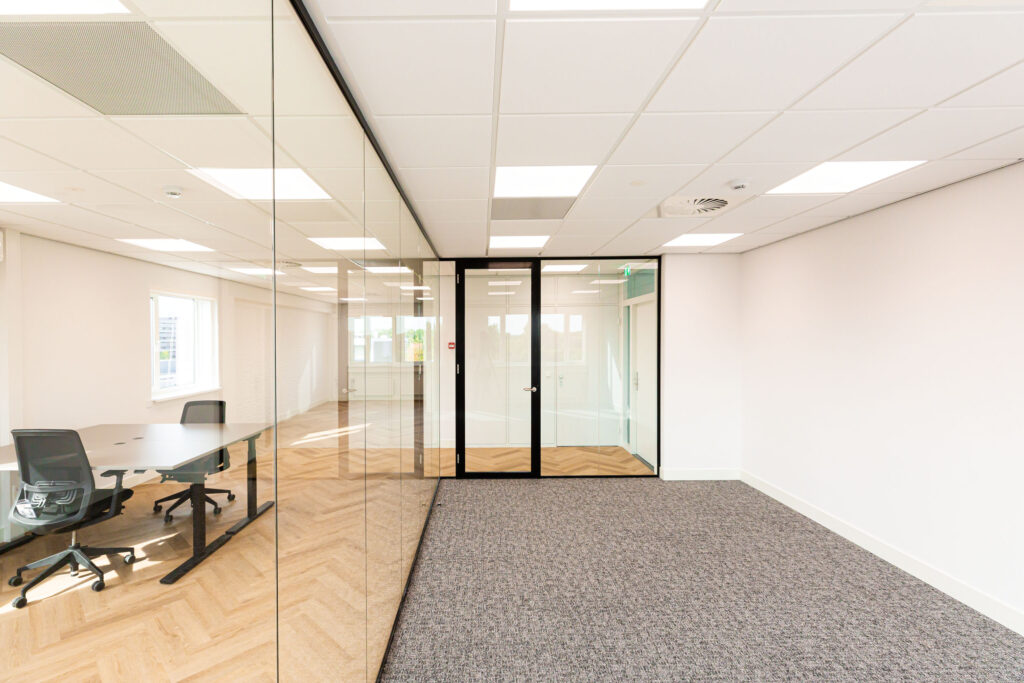
Technical asset management is where value-add office deals are won or lost. I walk through how I sequence HVAC, building envelope, EPC label upgrades, and CapEx to hit €50–300/sqm spend and still deliver the returns.
Oct 8, 2024
Asset management is not property management. Asset management is strategy and capital. Here is what I actually do as the asset manager on a value-add office deal—from rent roll management to tenant retention to reporting the numbers that move the exit.
Oct 8, 2024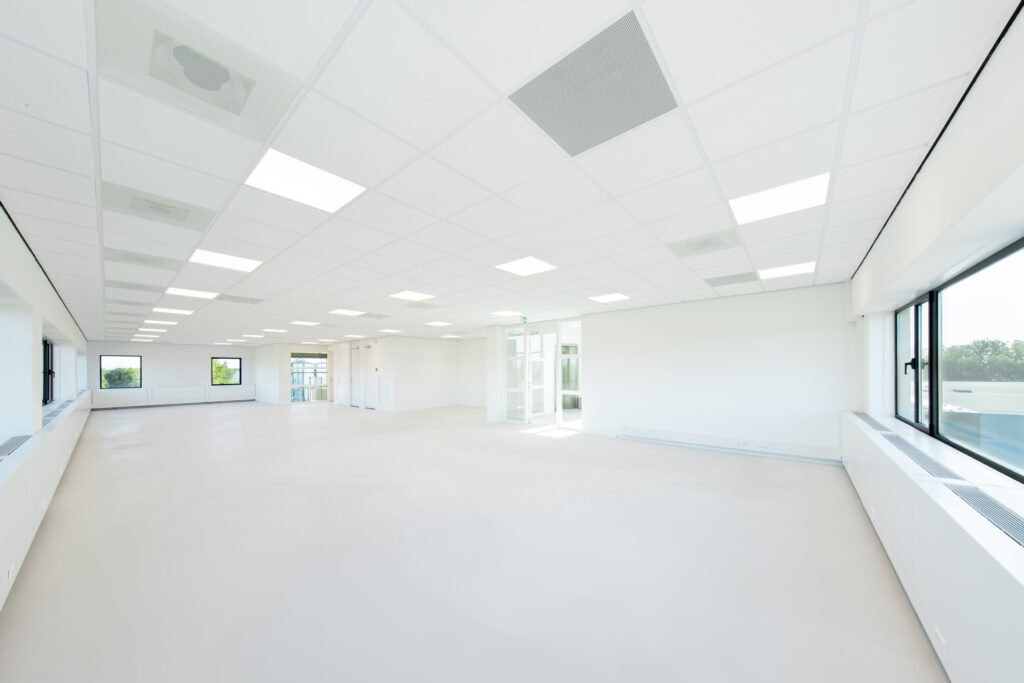
Most institutional capital buys from the same pitchbooks. I spend 70% of my sourcing effort on buildings that never hit the market. This is how I access the deals before they are priced.
Oct 6, 2024
European office financing tightened hard between 2024 and 2026. Here is exactly how I build and manage a debt stack on repositioning deals when relationship banks matter more than pricing.
Oct 1, 2024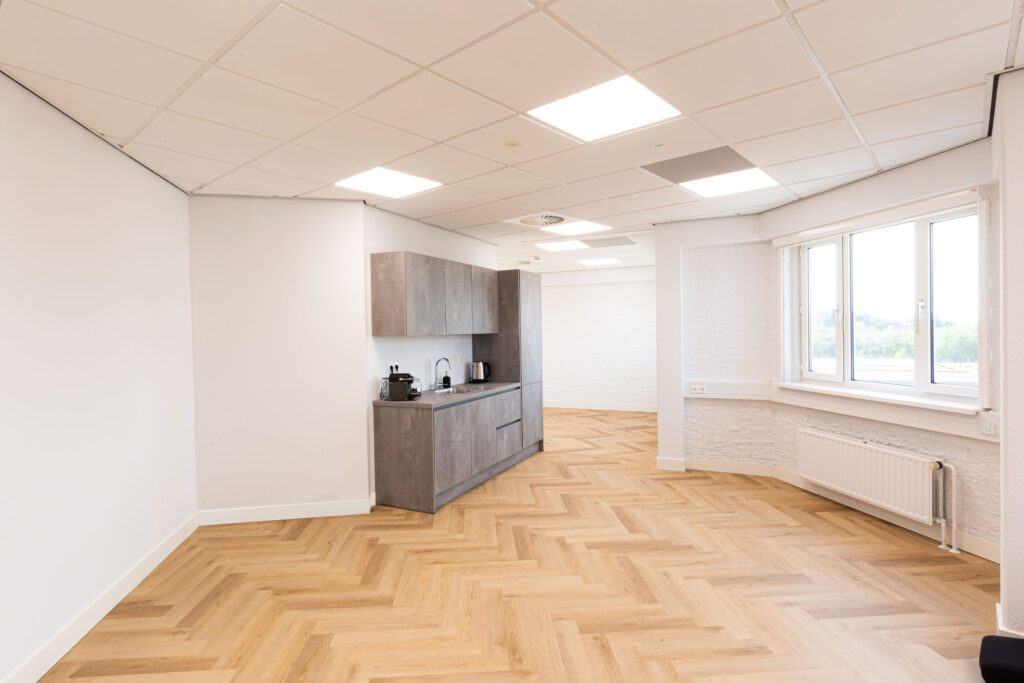
A single large tenant leaving is a catastrophe. The same building split into five smaller tenants is a portfolio. Here is how I structure a floor-by-floor conversion and what it costs.
Sep 30, 2024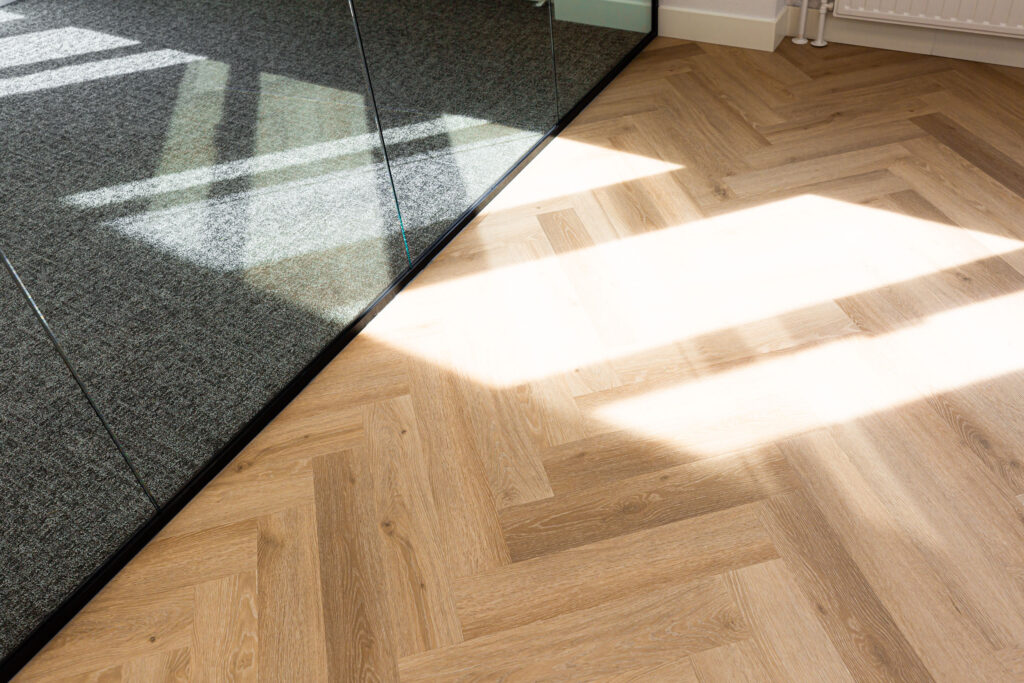
Core-plus is the lane I sell into, not the lane I buy from. I understand where those buyers sit on the risk spectrum — what returns they want, what cap rates they'll pay, what makes a building tick for them — because I exit there. That frame shapes how I build every asset.
Sep 30, 2024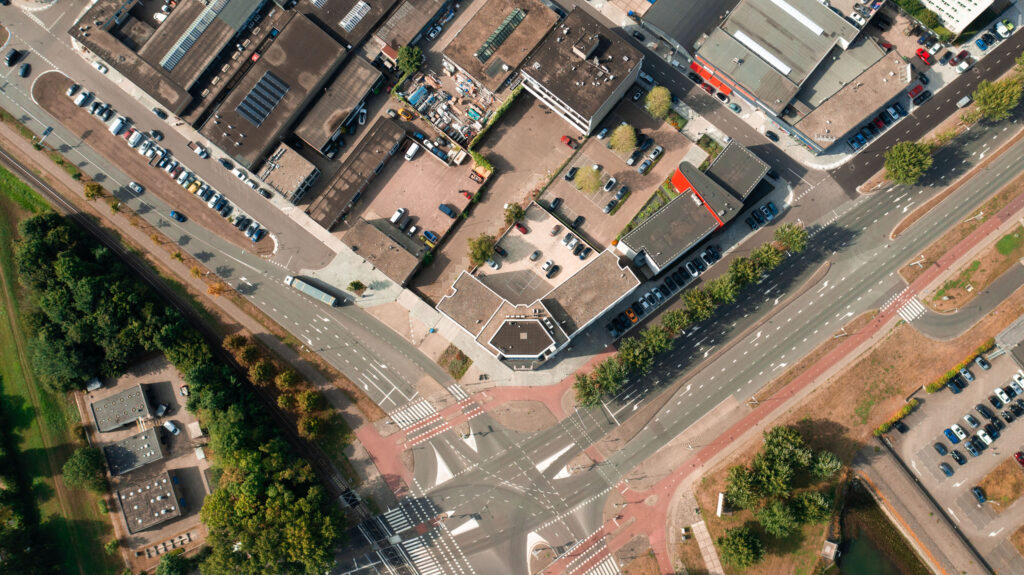
Value-add real estate is the craft of buying underperforming buildings and re-engineering them into institutional-grade income. Here is the exact playbook I run on every office deal — from sourcing to exit — and the numbers I underwrite to.
Sep 26, 2024
I have spent the last ten years watching institutional capital deploy into core office—what they pay, what they demand, what spoils the deal. Here is how I think about core strategy when I am building the exit on my own repositioned assets.
Sep 24, 2024
Choosing the right office investment strategy is not about finding the best one. It is about honest underwriting of your own capital, your team's execution capability, and the window you have to deploy. Here is how I map strategy to deal reality.
Sep 24, 2024
Creating value in commercial real estate means buying a problem I already know how to solve. In nine years of office repositioning, I have learned exactly what works and what does not. Here is the playbook I run on every deal.
Aug 22, 2023
Working on a deal, thinking about a strategy, or want to run something past me? Send a note. I read everything that comes in and reply to the ones I can answer.
Written from the field
One email when a new post goes live. Deal mechanics, exit discipline, and what I'm buying next. Free, no spam.
Subscribe free →Free forever · unsubscribe anytime